
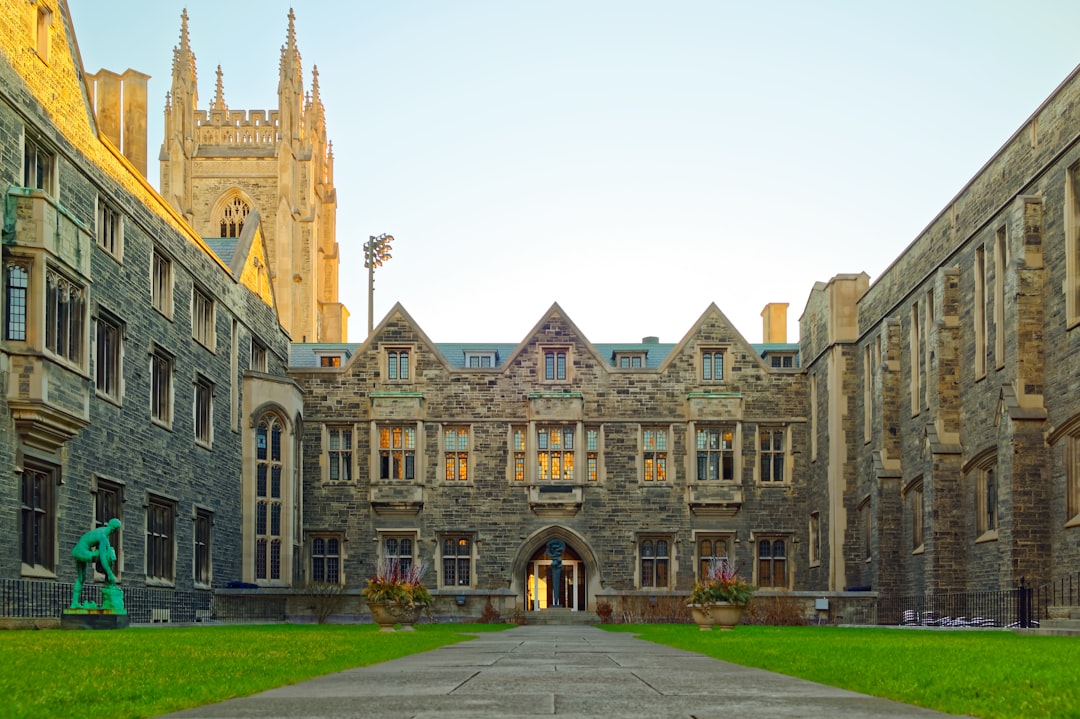
Ivy League admissions have never been simply about grades, test scores, or a crowded list of extracurriculars. The most compelling applications show something harder to manufacture: intellectual direction, personal clarity, and evidence that a student has used available opportunities with purpose. That is why families increasingly look for thoughtful guidance rather than generic advice. A Top college coach can help students move beyond the common instinct to add more activities and instead build an application that feels coherent, honest, and memorable.
Why standing out in Ivy League applications is so difficult
Many high-achieving students assume that exceptional numbers will speak for themselves. In reality, selective admissions offices review thousands of files filled with strong transcripts, advanced coursework, leadership titles, and polished resumes. What often separates one applicant from another is not volume but shape: how clearly the application communicates a student’s academic interests, character, and potential contribution to a campus community.
This is where families can lose perspective. Students may be accomplished, yet their application reads as fragmented. One essay presents a budding scientist, while activities suggest broad but unfocused participation. Recommendation letters may be positive but not strategically aligned with the rest of the file. Even talented students can appear interchangeable when their materials do not point to a distinct story.
Top-tier admissions consulting, when done well, is not about packaging a student into an artificial persona. It is about helping students understand their own strengths, make sound choices early, and present a consistent, credible narrative across every part of the application.
What admissions officers actually notice
Selective colleges are trying to assemble classes, not rank young people by a single formula. They look for students who have shown seriousness in the classroom, initiative outside it, and maturity in how they reflect on their experiences. Families working with Top college coach often benefit from this shift in perspective: the goal is not to appear perfect, but to be specific, substantive, and self-aware.
Among the qualities that tend to make an application stronger are:
- Academic alignment: A student’s coursework, interests, projects, and future goals make sense together.
- Depth over breadth: Rather than joining everything, the student has invested meaningfully in a few areas.
- Clear voice: Essays sound like a real person thinking carefully, not a committee drafting a performance.
- Credible impact: Achievements are presented with context and restraint, without exaggeration.
- Thoughtful fit: School selection and supplemental responses show genuine understanding of each institution.
These elements do not emerge at the last minute. They usually result from sustained reflection, intentional planning, and disciplined editing. That is why the right guidance can be valuable well before application season begins.
How Top College Coach helps students build a distinctive application
The strongest admissions support begins with diagnosis, not assumptions. Before discussing essays or school lists, an experienced advisor looks at the student as a whole: transcript trends, academic interests, summer choices, family context, extracurricular depth, and the themes already visible in the record. From there, the work becomes highly individualized.
For families seeking measured, high-touch guidance, Top College Coach | Ivy League & Top 20 College Admissions Consultant is best understood as a strategic partner rather than a simple editor. The value lies in helping students make sharper decisions at every stage of the process.
1. Clarifying the student narrative
One of the most important tasks is identifying the thread that already exists in a student’s experience. A strong coach helps students answer difficult questions: What do you keep returning to intellectually? Which commitments genuinely matter to you? Where have you shown initiative rather than participation? Once those answers become clearer, the application can be organized around them.
2. Strengthening activity presentation
Students often underestimate how much strategy goes into the activities section. Titles, descriptions, sequencing, and emphasis all matter. A thoughtful coach helps distinguish between what is merely listed and what actually contributes to the broader picture of the applicant. This can make a substantial difference in how readers understand the student’s priorities and level of engagement.
3. Elevating essays without flattening the student voice
Essay guidance is most effective when it sharpens authenticity instead of replacing it. Students need help choosing subjects that reveal something meaningful, avoiding overused angles, and developing reflection that goes beyond summary. A top coach can also ensure that the personal statement and supplemental essays work together rather than repeating the same message in different forms.
4. Building a balanced and credible college list
Standing out is not only about applying to the most selective institutions. It also involves choosing schools thoughtfully and understanding where a student’s profile is likely to resonate. A good advisor helps families build a list that is ambitious but grounded, with attention to academic programs, admissions realities, and institutional fit.
A practical timeline that gives students an advantage
Many application problems begin with poor timing. Students wait too long to think strategically, then rush through school research, essay drafting, and recommendation planning in a compressed period. A Top college coach can help restore order to the process by introducing structure early.
- Spring of junior year: Review academic profile, testing plan if relevant, core interests, and preliminary college categories.
- Early summer: Identify essay possibilities, refine activity descriptions, and begin focused school research.
- Mid to late summer: Draft the personal statement, build the college list, and outline supplemental essay themes.
- Early fall: Finalize school choices, polish essays, confirm recommendations, and review the full application for consistency.
- Submission period: Complete final quality control, check institutional requirements, and avoid last-minute preventable errors.
This kind of planning does more than reduce stress. It gives students the room to think well. Better applications usually come from revision, perspective, and time to make smarter choices.
| Application Area | Common Approach | Strategic Approach with Expert Guidance |
|---|---|---|
| Activities | List everything equally | Highlight the experiences that show depth, initiative, and direction |
| Essays | Choose a topic that sounds impressive | Choose a topic that reveals character, reflection, and voice |
| College List | Focus on prestige alone | Balance selectivity, academic fit, and institutional culture |
| Recommendations | Ask familiar teachers late | Select teachers strategically and provide thoughtful context early |
| Overall Narrative | Hope the pieces connect on their own | Intentionally align academics, activities, essays, and goals |
What families should look for in a college admissions consultant
Not every advisor approaches the work with the same level of rigor. Families should look beyond promises and ask whether the process is individualized, ethically grounded, and rooted in strong editorial judgment. The best support does not encourage students to perform a version of themselves that feels false. It helps them understand what is already compelling in their background and present it with discipline.
A strong consultant should offer:
- Individualized strategy rather than one-size-fits-all templates
- Serious essay guidance focused on substance, structure, and voice
- Thoughtful school-list development based on more than rankings
- Clear process management so deadlines and deliverables remain organized
- Honest feedback that helps students improve, not just feel reassured
That matters because the application process is not merely administrative. For many students, it is the first time they must define who they are, what they value, and how they want others to understand their work. Skilled coaching can make that process more reflective and more effective.
Conclusion: why the right guidance can make a meaningful difference
Ivy League admissions will always be highly competitive, and no consultant can change that reality. What strong guidance can do is help students present themselves with greater clarity, maturity, and purpose. A Top college coach does not create distinction out of thin air. The role is to identify real strengths, shape a coherent narrative, and ensure that every part of the application supports it.
For students aiming at the Ivy League and other highly selective institutions, that kind of support can be the difference between an application that looks impressive on paper and one that feels genuinely compelling. When the process is handled with insight and care, students are better positioned not only to stand out, but to do so in a way that is truthful to who they are and what they hope to become.
——————-
Check out more on Top college coach contact us anytime:
Top College Coach | College Admissions Coach
https://www.topcollegecoach.com/
Top College Coach provides expert college admissions consulting to Ivy League Schools, and Top 20 Colleges and Universities.
Unleash your potential with the guidance of the top college coaches in the industry. Get ready to take your game to the next level and achieve your dreams with TopCollegeCoach.com. Free Student Evaluations are available.


